The Complete Guide to Cinnamon Water: Health Benefits, Best Practices, and Storage Tips
Cinnamon water is more than just a fragrant drink. It is a centuries-old wellness ritual that continues to prove its worth in modern health practices. From balancing blood sugar to boosting immunity, cinnamon water offers a wide range of benefits. In this comprehensive guide, we will explore the benefits of cinnamon water for your health, the optimal time to drink it, how to select high-quality cinnamon sticks, the most popular varieties, and the correct storage method to preserve its freshness.
Why Cinnamon Water Is Good for Your Health
Cinnamon is derived from the inner bark of trees belonging to the “Cinnamomum genus“. When infused in water, its active compounds, especially cinnamaldehyde which releases powerful antioxidants and anti-inflammatory agents. Here are the key health benefits of consuming it regularly:
-
- Balances Blood Sugar: Cinnamon improves insulin sensitivity, helping regulate glucose levels.
- Boosts Metabolism: Drinking cinnamon water in the morning can kickstart metabolism and aid weight management.
- Supports Digestion: Cinnamon stimulates digestive enzymes, reducing bloating and indigestion.
- Strengthens Immunity: Its antioxidants combat free radicals, reducing oxidative stress.
- Promotes Heart Health: Cinnamon may lower LDL cholesterol and triglycerides, supporting cardiovascular wellness.
- Enhances Brain Function: Some studies suggest cinnamon compounds improve memory and cognitive performance.
- Detoxifies Naturally: Cinnamon water acts as a gentle detox drink, flushing toxins and supporting liver health.
Best Time to Drink Cinnamon Tea or Water
The best time to drink cinnamon tea or water largely depends on your individual health goals, and understanding this timing can help you maximize its benefits. Consuming cinnamon tea in the morning is often recommended for those who want to boost metabolism, curb unwanted cravings, and energize the body for the day ahead. The warm infusion kickstarts digestion, helps regulate appetite, and provides a gentle metabolic push that supports weight management. Morning consumption also enhances nutrient absorption, ensuring that your body makes the most of your breakfast. On the other hand, drinking cinnamon tea at night offers a different set of advantages. It aids digestion after dinner, stabilizes blood sugar levels overnight, and promotes relaxation, making it easier to unwind and prepare for restful sleep. This nighttime ritual can be particularly beneficial for individuals who struggle with late-night cravings or fluctuating glucose levels, as cinnamon helps maintain balance while the body rests.
Beyond choosing morning or night, consistency is the real key. Regular consumption is essential to experience noticeable results. Whether you prefer to start your day with a refreshing cup or end it with a calming one, making cinnamon tea a daily habit ensures that its cumulative effects build over time. For those focused on weight management, morning intake is ideal, while individuals aiming for blood sugar control and relaxation may find nighttime consumption more effective.
Ultimately, the choice depends on your lifestyle and wellness priorities. But the important thing is to stay consistent. By aligning the timing of your cinnamon tea with your health goals, you can transform this simple drink into a powerful wellness ritual that supports digestion, metabolism, immunity, and overall balance. With mindful practice, cinnamon tea becomes more than just a beverage. It becomes a daily act of self-care that harmonizes tradition with modern health needs.
How to Choose Good Quality Cinnamon Sticks
Not all cinnamon sticks are created equal. To ensure you are getting the best flavor and health benefits, look for these qualities:
-
- Origin and Type: Cinnamon comes mainly in two types-“Ceylon” and “Cassia“. Ceylon, often referred to as “true cinnamon,” is lighter in color, softer in texture, and contains lower levels of coumarin, making it safer for regular consumption. Cassia, on the other hand, is darker, thicker, and has a stronger, spicier flavor, but should be consumed in moderation due to its higher coumarin content.
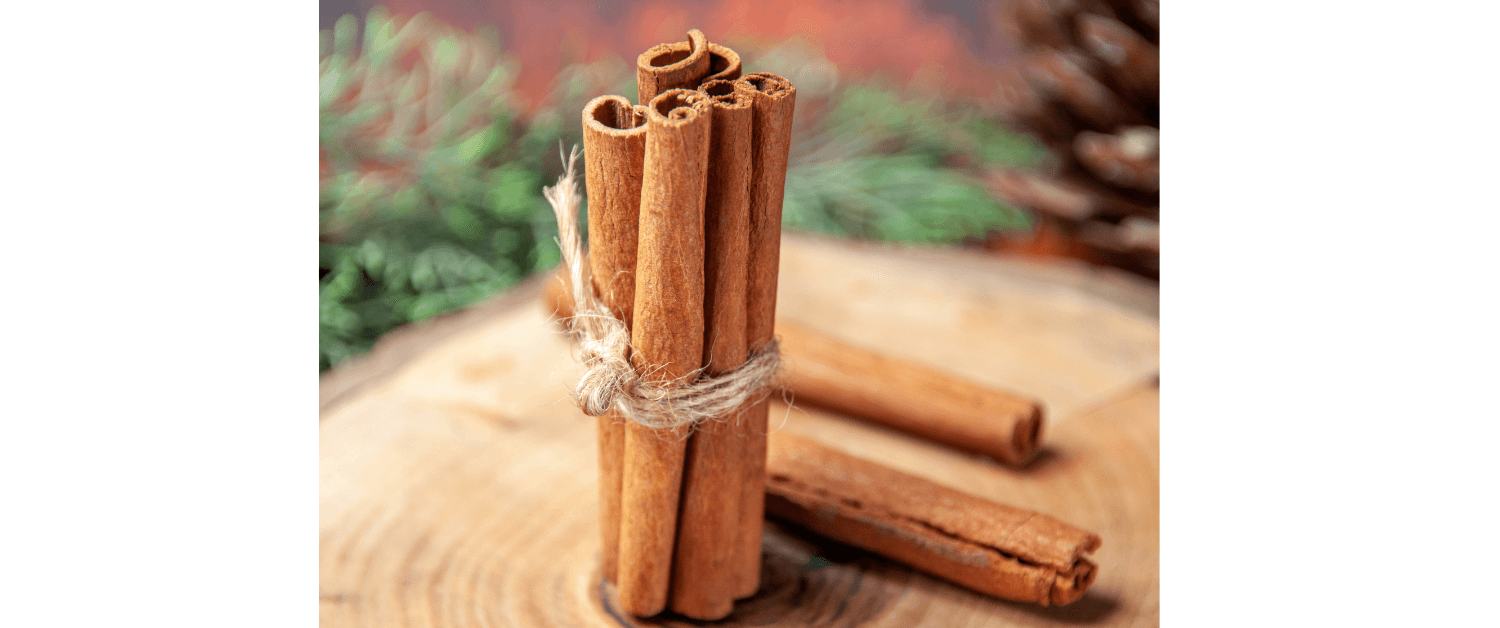
- Appearance: High-quality cinnamon sticks are uniform in thickness, tightly rolled like a cigar, and display a rich, warm brown hue. Avoid sticks that look uneven, broken, or pale, as these may indicate poor quality or loss of freshness.
- Texture: Premium cinnamon sticks should feel smooth and delicate to the touch, breaking easily when bent. Overly thick, coarse, or brittle sticks often suggest Cassia or low-grade cinnamon, which may not deliver the best flavor or health benefits.
- Aroma: Fresh cinnamon has a strong, sweet, and inviting fragrance that is instantly recognizable. If the sticks lack aroma or smell dull, they may be old, improperly stored, or of inferior quality.
- Flavor: Ceylon cinnamon offers a mild, sweet, and slightly citrusy taste, making it ideal for daily use and delicate recipes. Cassia cinnamon delivers a bold, spicy punch that works well in baking or strong-flavored dishes, but is best if enjoyed occasionally.
- Packaging: To preserve the natural oils and aroma, cinnamon sticks should be stored in airtight packaging. Transparent or loosely sealed packs allow moisture and air to seep in, reducing freshness and potency, so always choose well-sealed containers or jars.
Popular Varieties of Cinnamon Sticks
When it comes to cinnamon sticks, two main varieties dominate the global market: “Ceylon cinnamon and Cassia cinnamon”. Ceylon, often referred to as “true cinnamon,” is prized for its mild, sweet, and delicate flavor that blends beautifully into teas, desserts, and everyday consumption. One of its greatest advantages is its very low coumarin content, which makes it safe for long-term, regular use. However, Ceylon is less common and usually comes at a higher price, reflecting its premium quality. Cassia cinnamon, on the other hand, is far more widely available and cheaper, making it the variety most people encounter in stores. It has a strong, spicy, and bold flavor that works well in savory dishes or recipes requiring a punch of spice. The drawback of Cassia lies in its high coumarin content, which can be harmful if consumed excessively, so it is best enjoyed occasionally rather than daily. This distinction is what makes Ceylon stand out. It offers a safer and gentler option for those who want to include cinnamon water or tea as part of their daily wellness routine. Cassia remains a popular choice for bold flavors in cooking, but should be used in moderation.
How to Store Cinnamon Correctly
Proper storage of cinnamon is essential to ensure that this aromatic spice retains its fragrance, flavor, and potency over time. Since cinnamon contains natural oils that give it its distinctive aroma and health benefits, improper storage can cause it to lose its strength or even spoil. By following a few simple practices, you can preserve the quality of your cinnamon sticks for years:
-
- Airtight Containers: Always store cinnamon sticks in sealed glass jars or metal tins. This prevents air exposure, which can dry out the natural oils and weaken the aroma.
- Cool, Dark Place: Keep cinnamon away from direct sunlight, heat, or stovetops. Excess warmth and light degrade its flavor and reduce its shelf life.
- Avoid Moisture: Humidity is the biggest enemy of cinnamon, as it can cause mold growth and spoil the spice’s fragrance. Ensure containers are completely dry before storing.
- Shelf Life: When stored properly, cinnamon sticks can remain fresh and potent for 2–4 years. Ground cinnamon (cinnamon sticks that have been finely powdered into a spice form), however, loses its strength faster and should be used within a year.
- Optional Freezer Storage: For long-term preservation, you can freeze cinnamon sticks in airtight bags. This locks in freshness and prevents exposure to moisture or pests.
- Tip: Always label jars with purchase dates. This helps you track freshness and ensures you use the oldest stock first, maintaining consistent flavor in your recipes.
How to Make Cinnamon Water:
To make Cinnamon water:
-
- Boil 1 cup of water.
- Add ½ teaspoon of cinnamon powder or 1 small stick.
- Let it steep for 5–10 minutes.
- Strain and drink warm.
Add honey or lemon for extra flavor and benefits.
Precautions
Cinnamon water and tea can be a wonderful addition to your wellness routine, but like any natural remedy, it is important to consume them mindfully. While cinnamon offers numerous health benefits, certain precautions should be kept in mind to avoid unwanted side effects. Factors such as the type of cinnamon, existing medical conditions, and special situations like pregnancy play a crucial role in determining safe usage. By being aware of these considerations, you can enjoy cinnamon’s goodness without compromising your health.
-
- Moderation: Cassia cinnamon contains high levels of coumarin, which, if consumed excessively, may lead to liver damage. Limiting intake and preferring Ceylon cinnamon for daily use is a safer choice.
- Medical Conditions: If you are on medication or dealing with chronic health issues, consult your doctor before adding cinnamon to your diet.
- Pregnancy: Pregnant women should avoid excessive consumption, as strong doses may trigger complications. Consumption in small quantities is generally safe, but medicinal use should be avoided. Also, it is best to consult a medical expert before consuming it during pregnancy.
Final Thoughts
Cinnamon water is a low-effort, high-impact health ritual. Whether you are aiming to improve digestion, manage weight, or simply add antioxidants to your diet, this ancient spice offers modern wellness benefits. By choosing high-quality cinnamon sticks, consuming them at the right time, and storing them properly, you can maximize both flavor and health benefits.