Irani Chai: A Timeless Brew of Culture, Comfort, and Community
Few beverages in India carry the weight of nostalgia, culture, and comfort quite like Irani Chai. This creamy, aromatic tea is more than just a drink. It’s a cultural symbol, a social connector, and a culinary legacy that bridges Persia and India. From the bustling lanes of Hyderabad to the cosy corners of Mumbai’s Irani cafes, Irani Chai has carved a permanent place in the hearts of tea lovers.
In this blog, we will explore the origins of Irani Chai, what makes it so popular, how it is prepared, its age-old history, the best accompaniments, the ideal times to enjoy it, and some lesser-known facts that make this tea truly special.
Origins of Irani Chai
The origins of Irani Chai trace back to Persia, where tea culture was simple yet refined, often enjoyed in delicate glasses with sugar cubes. In the 19th century, Zoroastrian immigrants from Persia brought this tradition to India, introducing a new way of brewing and serving tea. Over time, the Indian love for sweet, milky chai blended seamlessly with Persian brewing techniques, giving rise to the distinct flavour and creamy texture of Irani Chai. This fusion of cultures found its home in the iconic Irani cafes of cities like Hyderabad, Mumbai, and Pune, which quickly became bustling social hubs where people gathered to sip chai, share snacks, and engage in lively conversations.
What Makes Irani Chai So Popular?
-
- Creamy Richness: Unlike regular chai, Irani Chai is brewed with thick milk and strong black tea, creating a creamy texture.
- Balanced Sweetness: It is sweet but not overpowering, striking the perfect balance between milk, sugar, and tea.
- Cultural Nostalgia: For many, sipping Irani Chai in an old cafe evokes memories of simpler times.
- Social Connection: Irani cafes were gathering spots for poets, traders, students, and workers, making chai a symbol of community.
- Affordable Luxury: Traditionally priced low, it was accessible to all while still carrying a sense of indulgence.
How Irani Chai is Made
Irani Chai is not just a beverage; it is a ritual, a slow-brewed indulgence that carries the charm of old-world cafes. Its preparation is carefully layered to achieve the perfect balance of strength, creaminess, and aroma.
-
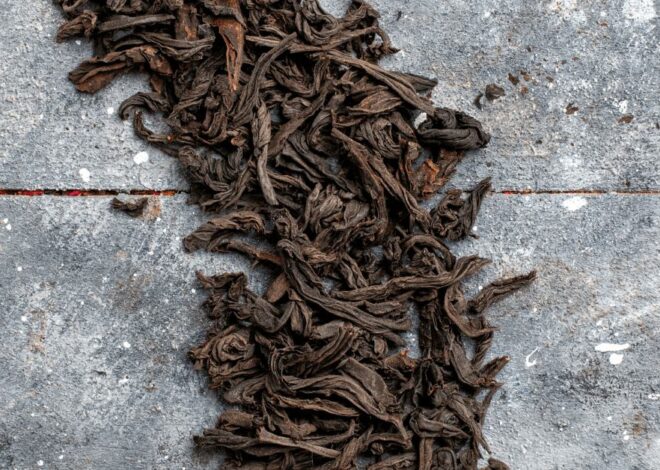
- Brewing the Decoction: Black tea leaves are simmered in water until they release a deep, robust flavour. This concentrated tea base, known as the decoction, is the soul of Irani Chai. Unlike regular chai, the decoction is kept strong so it can stand up to the richness of milk.
- Preparing the Milk: In a separate vessel, full-fat milk is boiled slowly. The milk is reduced until it becomes thick, creamy, and slightly caramelised. This step is crucial. It gives Irani Chai its signature velvety texture.
- Blending the Two: The hot decoction is gently poured into the thickened milk. Sugar is usually added in generous amounts to balance the tea’s bitterness. The mixture is simmered together, allowing the flavours to marry into a smooth, luxurious drink.
- Enhancing the Richness: Some cafes add a spoonful of mawa (khoya), intensifying the creaminess. This addition makes the chai almost dessert-like, with a lingering richness on the palate.
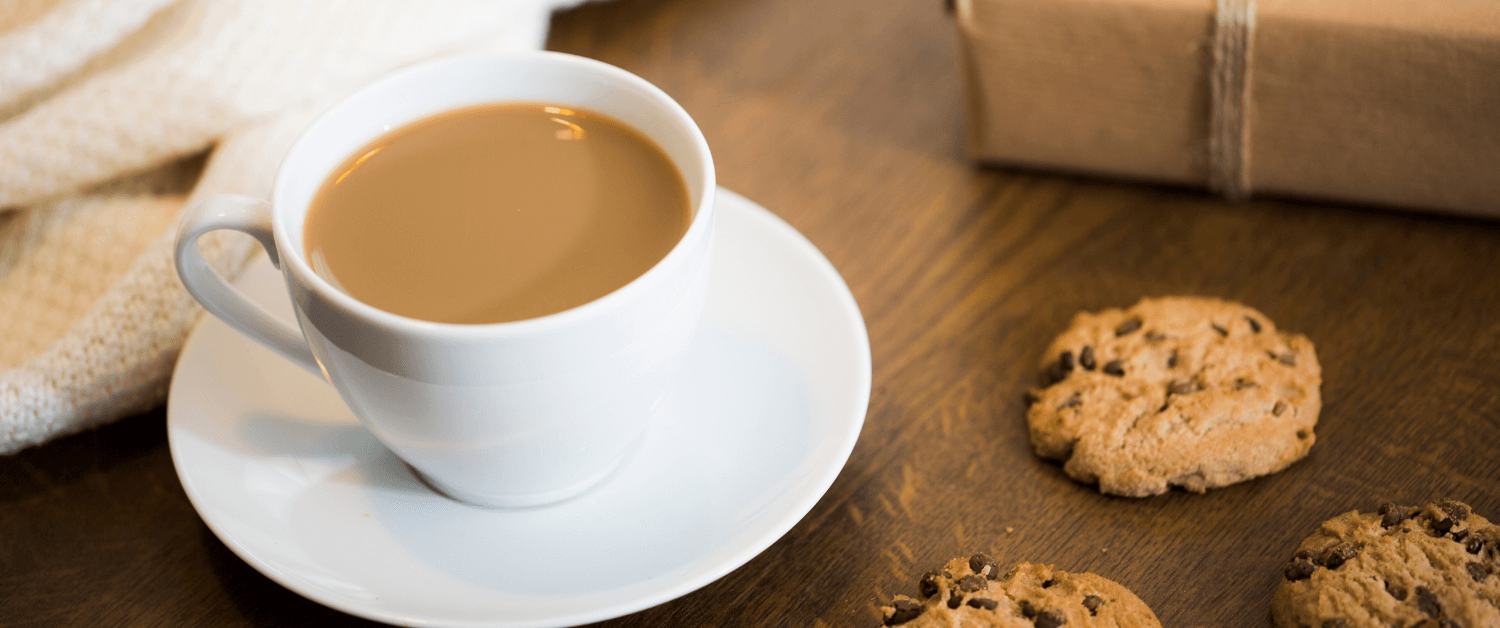
- Serving Tradition: Irani Chai is typically served in small, white ceramic cups or glasses. The portion is modest, encouraging slow sipping and conversation. In Irani cafes, it is often paired with Osmania biscuits or bun maska, completing the nostalgic experience.
How old is Irani Chai?
Irani Chai carries more than just flavour. It holds a legacy that dates back to the late 19th century, when Persian immigrants introduced it to India. Over time, this unique style of tea became a cultural bridge, blending Persian traditions with Indian tastes.
With its creamy texture and slow-brewed richness, Irani Chai quickly found a home in bustling Irani cafes, which became popular meeting spots for people from all walks of life. More than a beverage, it became a symbol of hospitality and conversation, served alongside bun maska or Osmania biscuits.
Having survived colonial times, modernization, and globalization, Irani Chai has remained a constant presence in Indian cities, especially in Hyderabad, Mumbai, and Pune. Its resilience lies in its ability to adapt while retaining its authenticity. Even today, many Irani cafes continue to brew this tea in the traditional way, preserving the charm of a bygone era. These cafes, with their vintage furniture and timeless atmosphere, are now considered heritage landmarks. Thus, Irani Chai is not just over a century old. It is a living tradition, cherished across generations, and still thriving in the heart of India’s cultural landscape.
Perfect Pairings with Irani Chai
Irani Chai is rarely enjoyed alone. It is traditionally paired with:
-
- Bun Maska: Soft bread bun with butter, an iconic companion.
- Osmania Biscuits: Sweet-salty biscuits unique to Hyderabad.
- Khari Biscuits: Flaky, savoury biscuits that balance the sweetness of chai.
- Samosas & Patties: Spicy snacks that contrast the creamy tea.
- Nankhatai: Indian shortbread cookies to add a crumbly texture.
Best Time of Day to Have Irani Chai
Irani Chai is truly an all-day beverage, enjoyed at different times for different moods and needs. In the morning, it offers a refreshing start for walkers and workers, setting the tone for the day ahead. By afternoon, it becomes the perfect companion for a mid-day break, helping people recharge before returning to their tasks. Evenings are perhaps the most nostalgic, as Irani Chai is best savoured while unwinding with friends in the cosy atmosphere of an Irani cafe. And for those burning the midnight oil, many cafes stay open late, serving steaming cups of chai to night-shift workers and students. While it can be relished at any hour of the day, evenings in a cafe setting capture the timeless charm of Irani Chai.
Lesser-Known Facts About Irani Chai
-
- Community Hubs: Irani cafes were once centres for political debates, poetry readings, and chess games.
- Unique Serving Style: Traditionally served in glass tumblers with saucers, encouraging slow sipping.
- Affordable Tradition: Despite inflation, many cafes keep prices low to honour tradition.
- Regional Variations: Hyderabad’s version is creamier, while Mumbai’s is slightly stronger.
- Symbol of Heritage: Some Irani cafes are over 100 years old, still serving chai the same way.
Cultural Significance
Irani Chai is more than just a cup of tea. It is a cultural emblem that carries the weight of history and community. Born from the fusion of Persian and Indian traditions, it reflects the blending of flavours, rituals, and identities across generations. The creamy, slow-brewed tea became the centrepiece of Irani cafes, which were not merely eateries but social institutions. These cafes embodied the ethos of hospitality, welcoming anyone who walked through their doors with warmth and simplicity.
A steaming cup of Irani Chai symbolised equality, as poets, students, traders, and labourers all shared the same table. Conversations flowed freely, ideas were exchanged, and friendships were forged over its comforting taste.
The cafes themselves became cultural landmarks, preserving a sense of nostalgia and belonging in rapidly modernising cities. Irani Chai thus represents continuity, reminding us of a time when community mattered more than status. Even today, sipping it connects people to a heritage of inclusivity and shared experiences. In essence, Irani Chai is not just a drink; it is a living tradition that celebrates unity, hospitality, and cultural harmony.
Conclusion
Irani Chai is not just tea; it is a story in a cup. With its Persian roots, Indian adaptations, creamy richness, and cultural significance, it continues to be a beloved beverage across generations. Whether paired with bun Maska, enjoyed in a bustling cafe, or sipped quietly at home, Irani Chai remains timeless.