Japanese Kukicha Tea: Complete Guide to Twig Tea Benefits
Introduction to Japanese Kukicha Tea
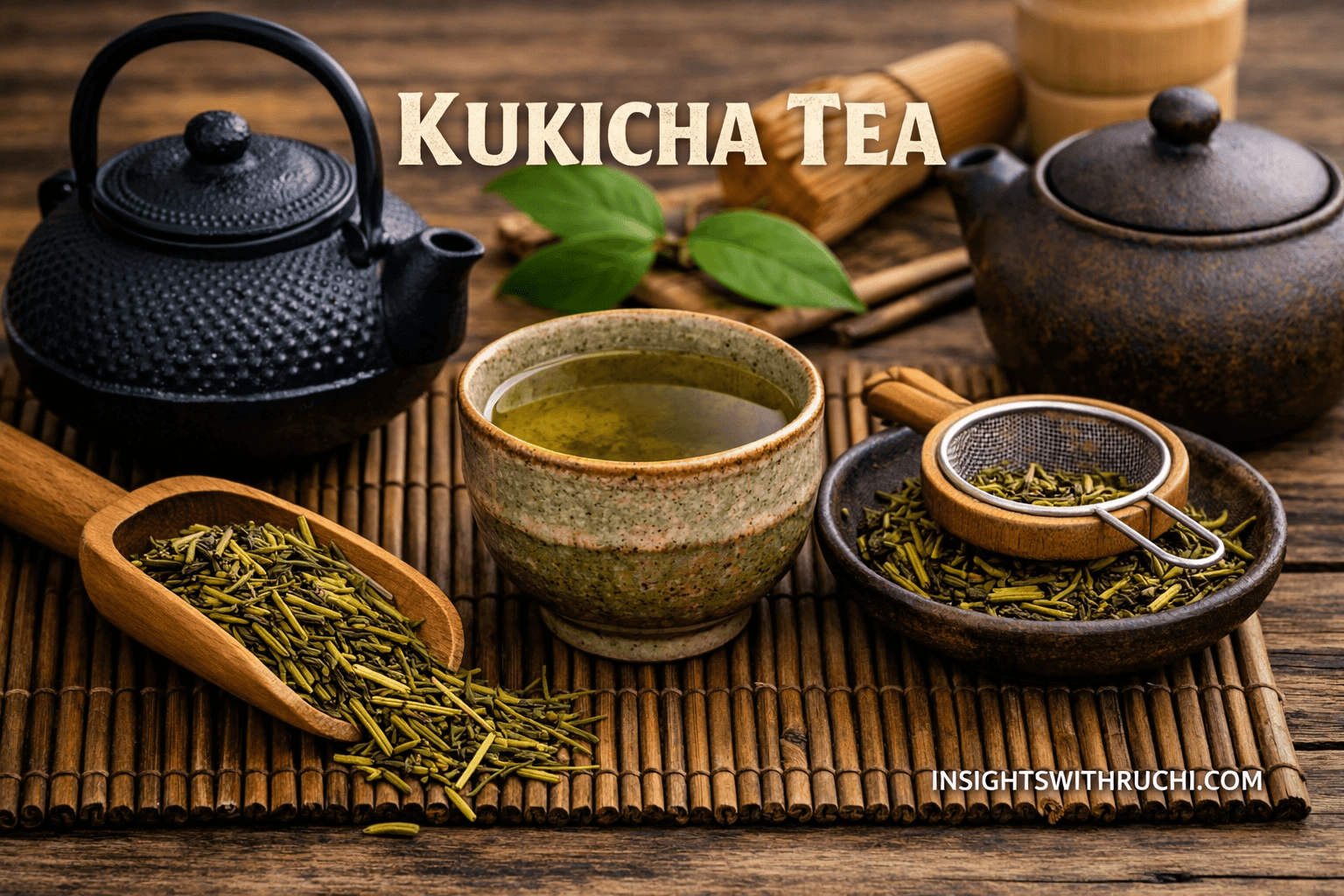
Japanese Kukicha Tea, also known as Kukicha Green Tea or “twig tea,” is a rare and fascinating beverage in the world of Japanese tea culture. Unlike sencha or matcha , which are crafted from tender leaves, Kukicha is made from the stems, stalks, and twigs of the Camellia sinensis plant . This unique composition gives it a mild, nutty, and creamy flavor that feels comforting, almost like sipping roasted chestnuts on a winter evening. In Japan, Kukicha is often referred to as “three-year tea” because traditional versions use stems aged for three years before processing. This aging process enhances its sweetness and reduces bitterness, making it a tea that appeals to both seasoned tea drinkers and newcomers. The philosophy behind Kukicha reflects the Japanese cultural value of "Mottainai", the idea of avoiding waste and finding beauty in simplicity. Farmers who once considered stems a by-product discovered that these twigs held their own charm, and thus Kukicha was born.
Today, Kukicha Green Tea is celebrated worldwide for its twig tea benefits, including low caffeine, high mineral content, and soothing qualities that make it perfect for mindful living.
History and Cultural Significance
Kukicha Green Tea has humble beginnings in rural Japan. Centuries ago, tea farmers in Kyoto and Shizuoka realized that the stems left behind during sencha and gyokuro production had a distinct flavor. Instead of discarding them, they began steaming, drying, and blending these twigs into a new tea. Over time, Kukicha became a staple in Japanese households, especially among those following the macrobiotic diet, which emphasizes balance and natural living.
Kukicha’s popularity grew not only because of its taste but also because of its symbolism, it represents resourcefulness, sustainability, and respect for nature. In tea houses, Kukicha was often served to guests who preferred a lighter, less caffeinated option. Families brewed Kukicha in the evenings, enjoying its calming effect before bedtime. Even today, Kukicha Green Tea is considered a tea of mindfulness, reminding us that even the simplest parts of a plant can bring joy and nourishment.
Its cultural significance lies in its ability to connect people to the land, to tradition, and to the philosophy of living in harmony with nature.
Cultivation and Harvesting of Kukicha Tea
Best Climate for Growing Kukicha
Kukicha thrives in temperate regions with misty mornings and well-drained soil. The best areas for cultivation include Kyoto, Shizuoka, and Kyushu, where tea farmers have perfected the art of harvesting stems during the first and second flush seasons.
Best Time for Production
The first flush, known as Ichibancha, occurs in spring and produces stems with delicate sweetness. The second flush, Nibancha, happens in summer and yields stems with a stronger flavor.
Harvesting Process
After harvesting, the stems are steamed to halt oxidation, rolled to release aroma, and dried carefully. Some varieties, like Karigane and Shiraore, are made from stems of gyokuro, giving them a luxurious taste. The process reflects patience and precision, as farmers ensure that each twig contributes to the overall harmony of the tea.
What Makes Kukicha Unique
Kukicha Green Tea is unlike any other Japanese tea because it is made not from the delicate leaves but from the stems and twigs of the Camellia sinensis plant. This unusual composition gives it a character that is softer, sweeter, and more balanced than leaf-based teas.
The first thing that makes Kukicha stand out is its naturally low caffeine content, which means it can be enjoyed at any time of the day, even late in the evening without disturbing sleep. This quality has made it a favorite among families in Japan, where it is often served after dinner as a calming ritual. The flavor profile is another defining trait: instead of the grassy sharpness of sencha or the intense umami of matcha, Kukicha offers a sweet, nutty taste with creamy undertones, often compared to roasted chestnuts or warm hazelnuts. This makes it approachable for new tea drinkers and deeply satisfying for connoisseurs. Beyond taste, Kukicha is valued for its rich mineral content, including calcium, zinc, and selenium, which contribute to stronger bones, better immunity, and overall vitality. Its antioxidant properties further enhance its reputation as a wellness tea, helping to fight free radicals and support long-term health. Another unique aspect is its ability to be infused multiple times without bitterness; each steeping reveals a slightly different nuance, from nutty sweetness to gentle earthiness, allowing drinkers to savor the tea in layers. This resilience reflects the Japanese philosophy of balance and sustainability, nothing is wasted, and every part of the plant has a role to play.
Kukicha’s uniqueness lies not only in its composition but also in the cultural values it embodies: simplicity, mindfulness, and respect for nature. It is a tea that reminds us that beauty can be found in the overlooked, that nourishment can come from the humble twig, and that wellness is often rooted in tradition.
Health Benefits of Kukicha Tea
Kukicha Green Tea is treasured not only for its unique flavor but also for the remarkable health benefits it offers, making it a true wellness drink in Japanese tradition. One of its most celebrated qualities is its ability to support immunity through antioxidants. These powerful compounds help neutralize free radicals in the body, reducing oxidative stress and lowering the risk of chronic illnesses. Regular consumption of Kukicha strengthens the immune system, allowing the body to fight infections more effectively. Another distinctive benefit lies in its rich mineral content, particularly calcium, zinc, and selenium. Calcium contributes to stronger bones and teeth, zinc supports wound healing and immunity, while selenium acts as a natural antioxidant that protects cells from damage. Together, these minerals make Kukicha a nourishing choice for long-term health and vitality.
Beyond minerals, Kukicha contains L-theanine, an amino acid known for promoting relaxation and mental clarity. This compound works in harmony with the tea’s low caffeine levels, offering calm alertness rather than jittery stimulation. It is especially beneficial for students, professionals, or anyone seeking focus during meditation or study sessions. Another unique property of Kukicha is its alkalizing effect on the body’s pH balance. In modern diets, which are often acidic due to processed foods, Kukicha helps restore equilibrium, supporting better digestion and overall wellness. This alkalizing nature is one reason Kukicha is central to the macrobiotic diet, which emphasizes balance and harmony in nutrition.
Finally, Kukicha is known for being gentle on digestion, making it an ideal tea to enjoy after meals. Unlike stronger teas or coffee, which can sometimes irritate the stomach, Kukicha soothes the digestive tract and aids in nutrient absorption. Its mild flavor and calming properties make it suitable for children, elderly individuals, and those with sensitive stomachs. In essence, Kukicha Green Tea is more than just a beverage, it is a holistic healer, combining antioxidants, minerals, amino acids, and alkalizing properties to nurture both body and mind. Each cup is a reminder that wellness can be simple, natural, and deeply rooted in tradition.
Who Should Avoid Kukicha Tea
While Japanese Kukicha Tea is celebrated for its soothing flavor and impressive twig tea benefits, it is not suitable for everyone. People with severe kidney issues should be cautious, as Kukicha is naturally rich in minerals which may place additional strain on compromised kidneys. Similarly, individuals who are sensitive to oxalates may want to limit or avoid Kukicha Green Tea, since oxalates can contribute to kidney stone formation in susceptible people. Another group that should exercise care is pregnant women. Although Kukicha has very low caffeine compared to other teas, it is always wise to consult a healthcare professional before making it a regular part of pregnancy nutrition. Moderation is the key here, while Kukicha offers many health benefits, overconsumption may not be ideal for everyone.
In essence, Kukicha Green Tea is a gentle, nourishing drink, but like all wellness practices, it should be tailored to individual health needs and consumed responsibly.
Best Time to Drink Kukicha Tea
Kukicha can be enjoyed in the morning for gentle energy, in the afternoon for refreshment, and in the evening without worrying about sleeplessness. Its low caffeine makes it one of the few teas suitable for all-day consumption.
Step-by-Step Brewing Guide
To brew an authentic cup of Kukicha tea:
1.Begin by boiling fresh water and then allowing it to cool to around 80°C, as this temperature is ideal for extracting the delicate flavors without causing bitterness.
2. Once the water is ready, measure out about two teaspoons of Kukicha green tea stems and place them into a teapot.
3. Slowly pour the cooled water over the stems, ensuring they are fully immersed, and let the tea steep gently for about two to three minutes. This short steeping time helps release the signature nutty, creamy flavor that Kukicha is known for, while keeping the taste mild and smooth.
4. After steeping, strain the tea into your cup and savor its unique aroma and flavor profile.
One of the special qualities of Kukicha is that the twigs can be re-steeped multiple times, up to three infusions, each producing a lighter, more delicate taste that still carries the essence of the tea.
With this simple yet mindful process, you can enjoy the authentic character of Kukicha tea. Each infusion offers a fresh layer of flavor, making the experience both soothing and rewarding.
How to Identify Authentic Kukicha Tea
When it comes to recognizing authentic Kukicha tea, there are several subtle yet important markers that every tea enthusiast should pay attention to. First and foremost, the origin of the tea is non-negotiable. True Kukicha must come from Japan, where it has been cultivated for centuries as part of the country’s rich tea tradition. If the packaging or seller does not clearly state Japan as the source, it is best to be cautious, as many imitations exist in the global market. Another key indicator lies in the labels used. Authentic Kukicha is often referred to as Karigane in Kyoto or Shiraore in Kyushu, and these names are deeply tied to regional pride and heritage. Spotting these terms on the label is a strong sign that the tea is genuine and tied to its cultural roots.
Equally important is the flavor profile. Kukicha is celebrated for its mild, nutty taste with creamy undertones, and unlike many other teas, it rarely turns bitter even after multiple infusions. If what you are drinking feels overly sharp, harsh, or bitter, it may not be authentic Kukicha. The gentle sweetness and smoothness are hallmarks of its unique composition, made from stems and twigs rather than just leaves. Moving on to packaging, authenticity is often reflected in certifications. Look for organic seals or, in the case of imports into India, FSSAI certification. These not only ensure quality but also confirm that the tea has passed regulatory checks for safety and authenticity.
When all these elements- Japanese origin, traditional labels like Karigane or Shiraore, the signature mild and nutty flavor, and trustworthy packaging certifications come together, you can be confident that you are holding authentic Kukicha tea.
Each of these aspects acts like a puzzle piece, and only when they fit together do you get the complete picture of genuine twig tea. By paying attention to these details, tea lovers can avoid counterfeits and enjoy the true cultural and health benefits of this remarkable Japanese tea.
How to Buy Kukicha Tea in India: Authentic Sources
For Indian tea lovers, Kukicha Green Tea is available online. Platforms like Amazon India offer imported Japanese brands. Specialty suppliers such as Tea Trunk and The Tea Shelf provide authentic Kukicha sourced directly from Japan. In cities like Delhi and Mumbai, Japanese specialty stores occasionally stock Kukicha.
FAQs:
What is Japanese Kukicha Tea?
Japanese Kukicha Tea is a Japanese green tea made from stems and twigs, known for its nutty flavor and low caffeine.
What are the twig tea benefits?
Twig tea benefits include improved digestion, relaxation, mineral richness, and suitability for evening consumption.
Is Kukicha Tea available in India?
Yes, Kukicha Green Tea can be purchased online via Amazon India, Tea Trunk, and The Tea Shelf.
How do you brew Kukicha Tea?
Steep 2 teaspoons of Kukicha stems in 80°C water for 2–3 minutes, strain, and enjoy.
What Does Kukicha Tea Taste Like?
Kukicha has a mellow, sweet, and nutty flavor with creamy undertones.
Some versions carry hints of citrus or marine notes, while roasted Kukicha (kukihojicha) develops smoky, woody, and vanilla-like flavors.
Conclusion
Japanese Kukicha Tea is more than just a beverage, it is a philosophy of balance, sustainability, and wellness. From its humble origins in Japanese farms to its modern availability in India, Kukicha Green Tea continues to inspire tea lovers with its unique flavor and health benefits. Whether you are drawn to its cultural roots, its twig tea benefits, or its soothing qualities, Kukicha invites you to slow down, sip mindfully, and embrace the wisdom of tradition.
Read More
Comments
Loading comments...
You May Also Like

How to Identify Adulteration in Tea
Tea is India’s daily ritual, but adulteration threatens its purity. The recent Telangana tea racket exposed dangerous practices. This blog explores how tea is adulterated, simple ways to identify fake tea, best buying practices, and storage tips to preserve aroma and freshness. Safeguard your chai and keep the tradition alive.
Read full article: How to Identify Adulteration in Tea
Why Indians Love Tea: A Cultural, Emotional, and Everyday Affair
Explore why tea holds such a special place in every Indian's heart — from chai stalls to family rituals.
Read full article: Why Indians Love Tea: A Cultural, Emotional, and Everyday Affair
Why You Should Avoid Drinking Black Tea on an Empty Stomach
Learn why starting your day with black tea on an empty stomach can do more harm than good.
Read full article: Why You Should Avoid Drinking Black Tea on an Empty Stomach