How to Boil Palak Without Losing Colour
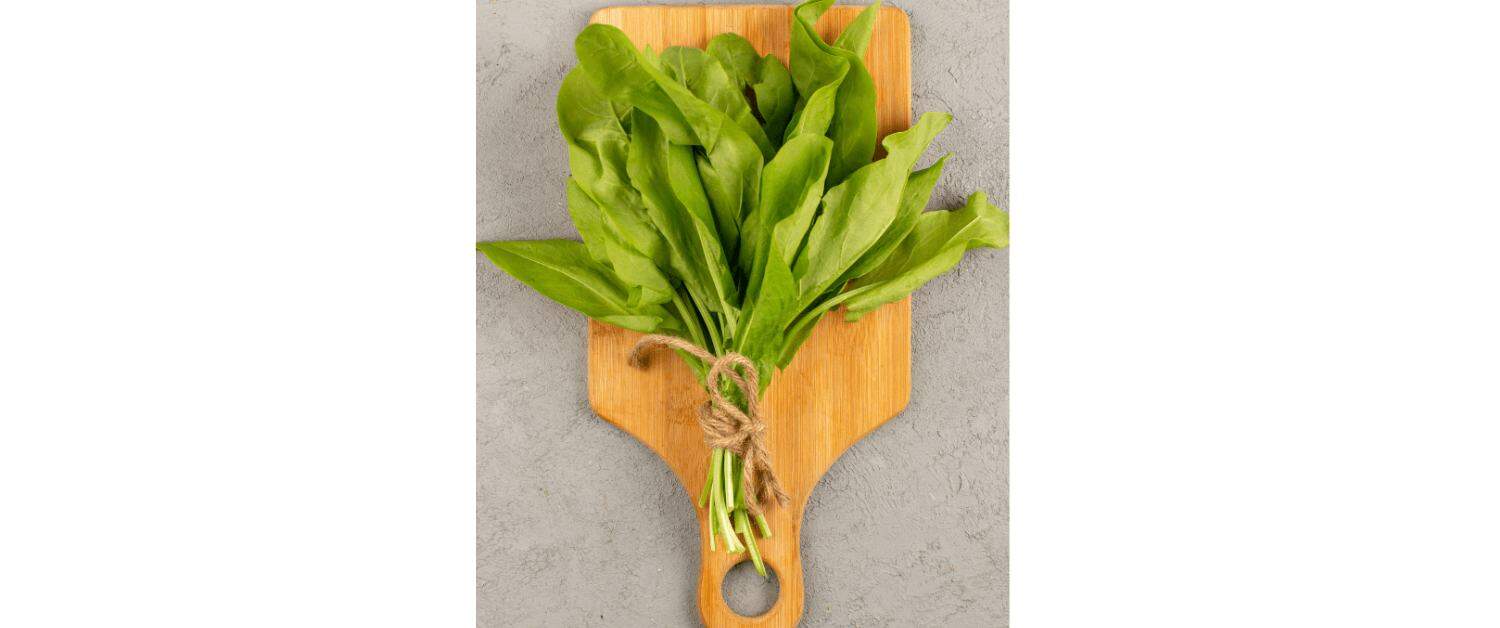
If you have ever wondered how to boil palak without losing colour, you are not alone! Palak, or spinach, is a daily favorite in Indian meals, but many home cooks struggle to preserve its lush green hue after boiling. In this guide, you will learn simple, science-backed tips to keep your spinach bright, nutrient-rich, and flavorful.
Why Does Palak Turn Dark After Boiling?
When palak (spinach) is boiled too long, the heat causes chlorophyll, the green pigment, to break down chemically. This breakdown releases acids that react with chlorophyll, converting it into pheophytin, which looks dull green or brownish. Residual heat continues cooking the leaves, changing their colour and texture.
So, what is the solution? Quick blanching, followed by an ice bath, preserves the vibrant green color by halting pigment degradation instantly.
How to keep your Spinach Gloriously Green?
To keep your spinach gloriously green, you can master this simple cooking trick that chefs swear by.
Step 1: Choose Fresh, Healthy Leaves
Always choose spinach with firm, vibrant green leaves, as these are fresher and packed with nutrients. Yellowing, limp, or slimy leaves signal age or spoilage, and they tend to lose flavour and texture when boiled. Fresh palak not only retains its colour better during cooking, but also gives your dishes a cleaner, earthier taste. For the best results, look for leaves that feel crisp to the touch and have no dark spots or shrivelled edges.
Step 2: Wash & Prep
Before cooking palak, it is crucial to rinse the leaves thoroughly in cold water to remove mud, grit, and pesticide residue in their folds. Swish them gently in a large bowl and refresh the water a couple of times until it runs clear. Once washed, shake off excess moisture or lay the spinach out on a clean kitchen towel and pat dry. This step ensures better texture, prevents dilution of flavor in recipes, and sets the stage for evenly cooked, vibrant greens.
Step 3: Use Boiling Hot Water
To preserve palak’s lush green color while boiling, always begin with water at a rolling boil. This ensures rapid cooking and minimal nutrient loss. Adding a pinch of salt seasons the leaves gently without making them limp. The real magic lies in the ¼ teaspoon of baking soda, a chef’s trick that stabilizes chlorophyll and keeps spinach looking bright and fresh. But don’t go overboard. Too much soda can turn the leaves mushy or give a soapy taste. This blend of speed and science gives your palak a photo-worthy vibrancy.
Step 4: Blanch Briefly
Once your water reaches a rolling boil, gently add the cleaned palak leaves and let them cook for just 2 to 3 minutes. This brief boil softens the spinach while preserving its vivid green color and delicate texture. Overboiling can dull the leaves and erode nutrients, so ensure the timing is precise. As soon as the leaves wilt and turn a brighter shade of green, they are ready to be transferred to an ice bath. This swift transition seals in freshness, making your spinach ideal for dals, curries, or healthy blends.
Step 5: Shock in Ice Water
Right after boiling, shifting palak into ice-cold water creates a thermal shock that halts the cooking process immediately. This rapid temperature drop preserves the spinach’s texture, nutrients, and vivid green color by preventing further chlorophyll breakdown. It also keeps the leaves from turning limp or overcooked, which is crucial when preparing dals, gravies, or healthy snacks. Ensure that the water is truly icy, with actual cubes for the best result.
Step 6: Drain and Use
Once the palak has been shocked in ice water, gently squeeze the leaves to remove excess moisture, being careful not to bruise or tear them. This helps prevent sogginess and ensures the spinach is ready for smooth blending or sautéing. You can use the freshly blanched palak right away in dals, curries, or smoothies, or store it in an airtight container for later use. If refrigerating, keep it for up to two days, or freeze in portions for longer shelf life and easy access.
Can You Freeze Boiled Palak for Future Use?
Absolutely! Just follow these freezing tips:
-
- Puree or chop the blanched spinach after draining out the water.
- Freeze in small portions for soups, gravies, or smoothies.
How to Use Boiled Palak in Recipes
-
- Boiled palak is incredibly versatile and can elevate a range of dishes with its earthy flavor and rich nutrition.
- Once blanched and cooled, it can be blended into smooth purées for creamy palak paneer, dal palak, or vibrant green gravies.
- For parathas, knead the mashed spinach into the dough for an instant boost of color and health.
- You can also chop and stir it into rice dishes like palak pulao or mix it with cooked grains and lentils for hearty bowls.
- In snacks, it pairs beautifully with besan to make palak pakoras (my favouritr) or cheelas.
- For breakfast, fold it into scrambled eggs or veggie-loaded poha.
- Boiled palak also acts as a great base for dips or spreads when combined with hung curd or tahini. Just make sure to squeeze out any excess water before using this, which keeps your dishes flavorful, not soggy.
Best Tips for Spinach/Palak
-
- Choose young, vibrant spinach with no wilting or yellowing, as older leaves tend to lose colour faster and turn mushy.
- Rinse multiple times in cold water to remove grit, pesticides, and any hidden soil in between the folds.
- Snip off thick stems. They cook more slowly and can make the texture uneven in delicate dishes like palak paneer.
- Boil for just 2-3 minutes, no more. Overcooking breaks down chlorophyll and compromises the green hue.
- Immediately transfer blanched spinach to ice-cold water to stop cooking and lock in the bright green colour.
- After cooling, gently squeeze out moisture to avoid watery gravies or soggy paratha dough.
- Use a blender or food processor for a velvety purée to be used in dishes like palak paneer, koftas, or green curry bases.
- A tadka of garlic, cumin, or hing (asafoetida) enhances flavor and balances palak’s slight bitterness beautifully.
- Refrigerate leftover boiled spinach in an airtight container and use within 2–3 days for best taste and colour.
Final Thoughts: Spinach Boiling Made Simple
If you are looking for a foolproof method on how to boil palak without losing colour, this guide offers practical steps and clear answers. Whether you’re preparing for palak paneer or freezing spinach for later, using this kitchen hack will help preserve both colour and nutrients.