10 Ways to Protect Tulasi Plant This Summer Season
Introduction: Sacredness of Tulasi
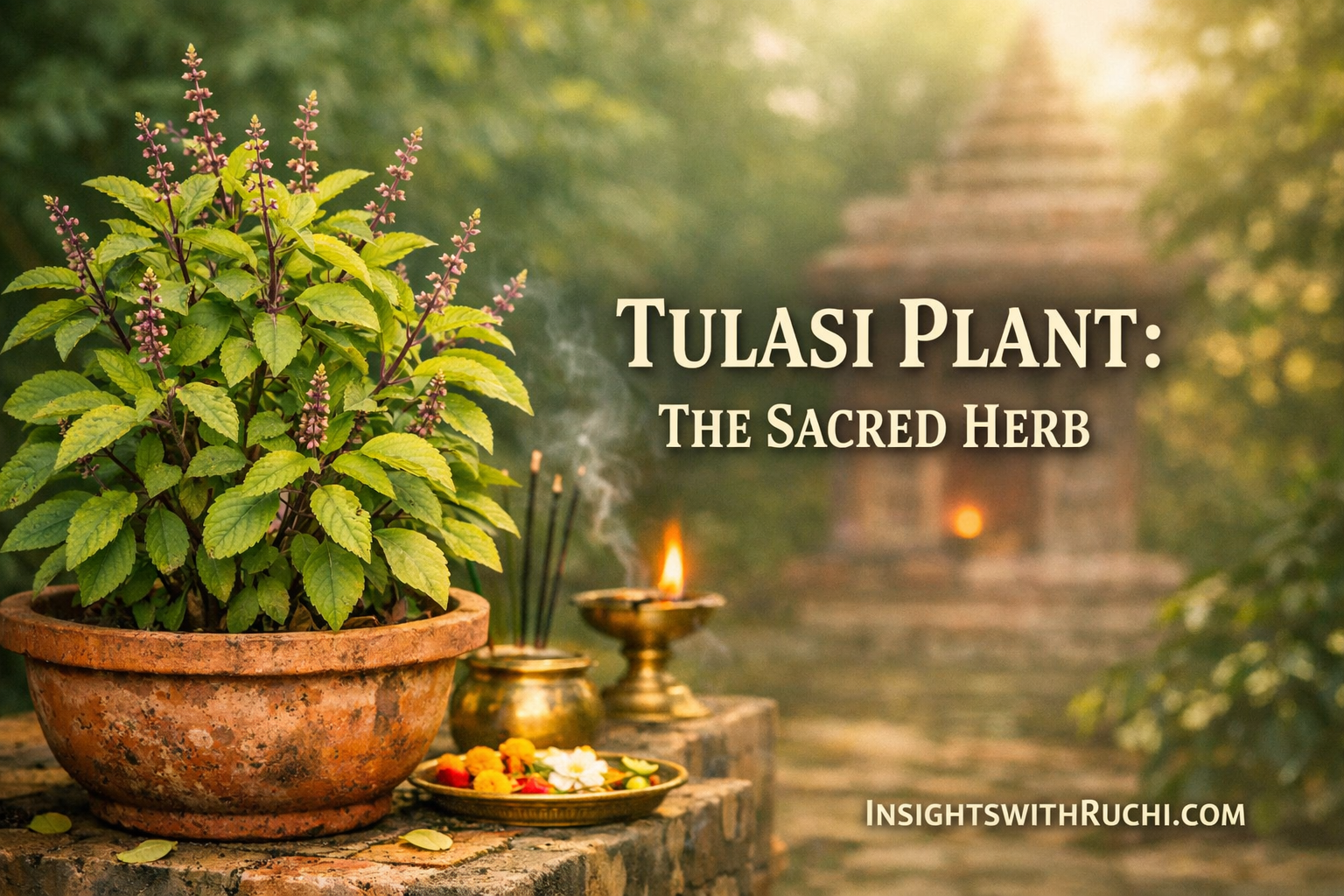
Tulasi (Holy Basil) is not just a plant; it is well regarded as a goddess in the Hindu tradition. Its presence in homes is considered auspicious, bringing health, prosperity, and spiritual purity. Tulasi has been worshipped for centuries, with references in ancient scriptures like the Puranas and the Ramayana.
The plant is believed to be an earthly manifestation of Goddess Lakshmi, consort of Lord Vishnu, making it central to Hindu households and rituals. The plant is essential to rituals such as Tulasi Vivah, where Tulasi is ceremonially married to Lord Vishnu or Krishna, marking the start of the wedding season in Hindu tradition. Tulasi leaves are indispensable in daily worship, offered to Vishnu and Krishna, as they are believed to be dearer to the deities than even precious jewels.
Its presence in homes is said to purify the environment, ward off negative energies, and invite divine grace. It is also associated with spiritual discipline as devotees circumambulate the plant daily, chanting prayers, which is believed to cleanse sins and uplift the soul.
In Ayurveda, Tulasi is considered a potent medicinal herb, strengthening immunity, calming the mind, and balancing the body’s energies. The plant is believed to connect the earthly realm with the divine, acting as a bridge between humans and gods. Tulasi’s fragrance and aura are said to sanctify the surroundings, making homes spiritually vibrant. It is also considered a protector of dharma, ensuring that righteousness and harmony prevail in the household. Devotees believe that watering Tulasi daily and caring for it brings blessings of health, wealth, and spiritual progress. The plant is worshipped during dawn and dusk, times considered spiritually powerful, reinforcing its role in daily devotion.
Tulasi leaves are used in sacred food offerings (prasadam) and rituals, symbolizing purity and divine acceptance. Its association with Lord Vishnu makes it a constant reminder of devotion, humility, and surrender to the divine will. Tulasi is not only a plant but a living embodiment of faith, deeply woven into the cultural, spiritual, and medicinal fabric of Hindu life. To this day, Tulasi continues to inspire reverence, reminding devotees of the eternal bond between nature, divinity, and human life.
Origin and Age of Tulasi Plant
Tulasi originates from the Indian subcontinent, with cultivation dating back thousands of years. Botanically known as "Ocimum sanctum or Ocimum tenuiflorum", it has been part of Ayurveda for over 5,000 years. Mythological stories describe Tulasi as eternal, symbolizing devotion and purity. In Hindu homes, Tulasi is often planted in a sacred pedestal called Tulasi Vrindavan, signifying its divine status.
Mythological Stories of Tulasi
The mythology of Tulasi is deeply rooted in Hindu tradition, with legends that highlight her role as a goddess of devotion, purity, and eternal love.
One of the most famous stories is that of Vrinda, a pious woman married to the demon king Jalandhar. Vrinda’s unwavering chastity and devotion to Lord Vishnu gave her husband immense power, making him undefeatable even against the gods. To restore balance, Vishnu disguised himself as Jalandhar and approached Vrinda. Believing him to be her husband, she welcomed him, and in that moment her chastity was broken. With her spiritual strength lost, Jalandhar was killed in battle. When Vrinda realized the truth, she was devastated. In her grief, she cursed Vishnu to be separated from his consort Lakshmi and to turn into a stone, a curse linked to the worship of the Shaligram stone as Vishnu’s form. Vrinda then immolated herself, and from her ashes the sacred Tulasi plant emerged, symbolizing her eternal devotion and sacrifice. This legend explains why Tulasi is inseparable from Vishnu worship and why her leaves are considered the most sacred offering to him.
Another cherished tradition connects Tulasi directly to Lord Krishna. In this story, Tulasi is regarded as Krishna’s beloved, and her leaves are offered to him daily in temples. Devotees believe that Krishna accepts offerings only when accompanied by Tulasi leaves, signifying her special place in his heart. This tale emphasizes Tulasi as a symbol of divine love, showing that devotion offered with her presence becomes complete and pleasing to the Lord. It also highlights the intimate bond between Tulasi and Krishna, making her worship central to Vaishnava traditions.
Together, these stories elevate Tulasi beyond being a mere plant. She becomes a living embodiment of faith, sacrifice, and love. The rituals surrounding her, such as Tulasi Vivah, where she is ceremonially married commemorate her devotion and mark the beginning of the Hindu wedding season.
Worshippers walk around the Tulasi plant, chant mantras, and offer prayers, believing that such acts cleanse sins and grant spiritual merit. Through these legends, Tulasi is celebrated as a goddess who bridges the human and divine, reminding devotees of the eternal values of purity, devotion, and submission to the divine will.
Tulasi in Hindu Homes
In Hindu households, Tulasi occupies a central position in courtyards or balconies. Daily rituals often begin with offering water to Tulasi, lighting a lamp near it, and chanting prayers. Tulasi is believed to purify the environment, ward off negative energies, and invite divine blessings. Its sacredness makes it a spiritual anchor in homes, especially during festivals like Kartik Purnima and Tulasi Vivah.
Astrological Significance of Tulasi
Astrologically, Tulasi is associated with planetary harmony. It is believed to reduce the malefic effects of planets like Saturn and Rahu. Keeping Tulasi at home is said to enhance positive vibrations, strengthen relationships, and bring peace of mind. Astrologers often recommend worshipping Tulasi to balance planetary influences and attract prosperity.
Health Benefits of Tulasi at Home
Tulasi is truly a living pharmacy at home, and its health benefits go far beyond what most people realize. Its leaves are packed with antioxidants that fight free radicals, slowing down aging and protecting the body from chronic diseases. The plant contains essential oils like eugenol, which have antibacterial, antifungal, and anti-inflammatory properties, making Tulasi a natural remedy for infections and skin issues. Its adaptogenic qualities help the body cope with stress, balancing cortisol levels and calming the nervous system. This is why Tulasi tea is often recommended for relaxation and mental clarity. Personally, I serve Tulsi tea to my family members every morning, ensuring they begin their day with calmness, immunity, and energy.
Right from childhood, Tulasi has been a constant in my life. My mother used to feed us Tulasi leaves early in the morning to strengthen our immune system. Every time we had a cough or cold, Tulasi was our rescuer, whether chewed raw, brewed into tea, or added to home remedies. These practices not only kept us healthy but also instilled a sense of reverence for the plant as a guardian of wellness.
In Ayurveda, Tulasi is considered a “rasayana” herb, one that rejuvenates and strengthens the body. It is prescribed for colds, coughs, asthma, and bronchitis because it helps clear respiratory passages and improves lung function. Tulasi also aids digestion, reduces bloating, and supports liver health. Its leaves are chewed to relieve headaches, fever, and even mild anxiety. Having Tulasi at home ensures fresh medicinal leaves are always available, carrying both medicinal potency and spiritual energy.
Beyond physical health, Tulasi promotes emotional and spiritual wellness. Its fragrance is calming, reducing mental fatigue and uplifting mood. Daily rituals of watering and worshipping Tulasi create mindfulness, instilling discipline and positivity in the household. In Hindu tradition, Tulasi is believed to protect the family from negative energies, ensuring harmony and prosperity.
Thus, Tulasi is not just a sacred plant but a holistic healer supporting immunity, mental peace, respiratory strength, digestive balance, and spiritual purity. Keeping Tulasi at home is like having a guardian goddess who nurtures both body and soul, while also carrying forward cherished family traditions of care and devotion.
How to take care of Tulasi in the Summer Season
Summer brings intense heat, dehydration, and soil dryness, which can weaken Tulasi plants. Without proper care, leaves may wilt, turn yellow, or fall off. Protecting Tulasi during summer requires consistent attention, hydration, and shielding from harsh sunlight.
10 Ways to Protect Tulasi Plant This Summer Season
1. Proper Watering Schedule: Water Tulasi twice daily, early morning and evening. Avoid overwatering, as stagnant water can damage roots. Use a clay pot to retain moisture.
2. Partial Shade Placement: Place Tulasi in a spot with filtered sunlight. Direct harsh afternoon sun can scorch leaves, so use a shade net or keep it near taller plants.
3. Mulching the Soil: Cover the soil with organic mulch like dried leaves or coconut husk. Mulching retains moisture and keeps roots cool.
4. Regular Pruning: Trim excess branches to promote airflow and prevent fungal infections. Pruning also encourages new leaf growth.
5. Nutrient-Rich Soil: Use compost or cow dung manure to enrich the soil. Nutrients strengthen Tulasi against summer stress.
6. Avoid Plastic Pots: Plastic pots heat up quickly under the sun. Opt for clay or terracotta pots that keep soil cool.
7. Sprinkling Water on Leaves: Mist Tulasi leaves lightly during peak heat hours. This prevents wilting and keeps foliage fresh.
8. Protect from Pests: Summer attracts pests. Use neem oil spray or turmeric water to keep Tulasi pest-free.
9. Rotate Plant Position: Shift Tulasi occasionally to balance exposure to sunlight and airflow.
10. Daily Devotion and Care: Beyond physical care, offering prayers and chanting near Tulasi creates positive vibrations that nurture its growth.
Home Remedies for Tulasi Growth
Beetroot Water: After boiling or soaking beetroot, use the leftover water to nourish Tulasi. It is rich in iron and natural sugars, which strengthen the plant and enhance leaf color.
Alum Solution (Fitkari): Dissolve a small piece of alum in water and pour it around the Tulasi roots once in a bluemoon. Alum helps prevent fungal infections and keeps the plant healthy.
Cow Dung Manure: Traditional households often add dried cow dung cakes or powder to Tulasi soil. It enriches the plant with nitrogen and organic matter.
Buttermilk Dilution: Mix buttermilk with water and use it sparingly. It acts as a mild fertilizer and keeps pests away.
Ash from Wood or Cow Dung: Sprinkling a little ash around the roots improves soil texture and adds potassium, which supports growth.
Kitchen Waste Compost: Banana peels, vegetable scraps, and tea leaves can be composted and added to Tulasi soil for natural nutrition.
Neem Water: Boil neem leaves and use the cooled water to water Tulasi. It protects against pests and strengthens immunity.
Rice Water: The water left after washing rice is full of starch and micronutrients, which help Tulasi grow lush and green.
Coconut Water: Fresh diluted coconut water acts as a natural growth booster, providing minerals and electrolytes.
These remedies are gentle, eco-friendly, and deeply rooted in traditional practices. They not only keep Tulasi thriving but also maintain its sacred aura in the household.
Conclusion
Tulasi is more than a plant; it is a sacred companion, a healer, and a protector. Its mythological roots, astrological significance, and health benefits make it invaluable in Hindu homes. This summer, with mindful care and devotion, you can ensure your Tulasi thrives, blessing your household with prosperity, health, and divine grace.
Read More
Effective home remedies for Mileybugs on your Plants https://www.insightswithruchi.com/blog/effective-home-remedies-for-mealybugs
Why Women Should Wear Payal: Astrology, Ayurveda & Emotional Connect https://www.insightswithruchi.com/blog/benefits-of-wearing-payal-women
Comments
Loading comments...
You May Also Like

Natural Ways to Repel Pests - No Killing Needed Introduction
Discover effective natural pest repellents using Ayurvedic home remedies and eco friendly solutions. Learn how herbs, essential oils, and DIY sprays can help you keep insects, ants, and mosquitoes away without chemicals. Perfect for green living and sustainable home care.
Read full article: Natural Ways to Repel Pests - No Killing Needed Introduction
10 Amazing Uses of Vaseline (Petroleum Jelly)
Explore 10 amazing uses of Vaseline (Petroleum Jelly) for skincare, beauty hacks, and household remedies. Learn dermatologist approved tips, DIY tricks, and timeless solutions.
Read full article: 10 Amazing Uses of Vaseline (Petroleum Jelly)
Why Women Should Wear Payal: Astrology, Ayurveda & Emotional Connect
Wearing a payal (silver anklet) is more than a cultural adornment, it is a symbol of tradition, wellness, and emotional heritage. Rooted in Hindu ceremonies and mythology, payal carries astrological significance by balancing lunar energy, Ayurvedic benefits through improved circulation and stress relief, and a deep emotional connect that ties generations together. For me, silver payal with its delicate sheen and elegance, remains a timeless choice, blending beauty with holistic well-being.
Read full article: Why Women Should Wear Payal: Astrology, Ayurveda & Emotional Connect